This is a demo store. No orders will be fulfilled.


SQL Server 2022, 2019, and 2017: Features and Differences
September 24, 2024
SQL Server 2022, 2019, and 2017: Features and Differences
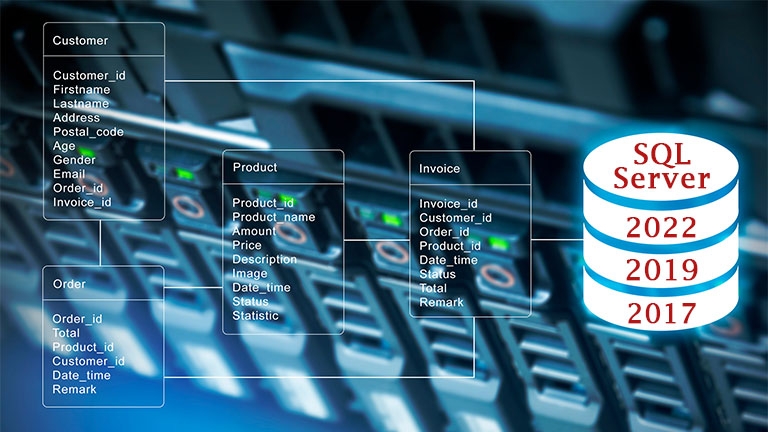
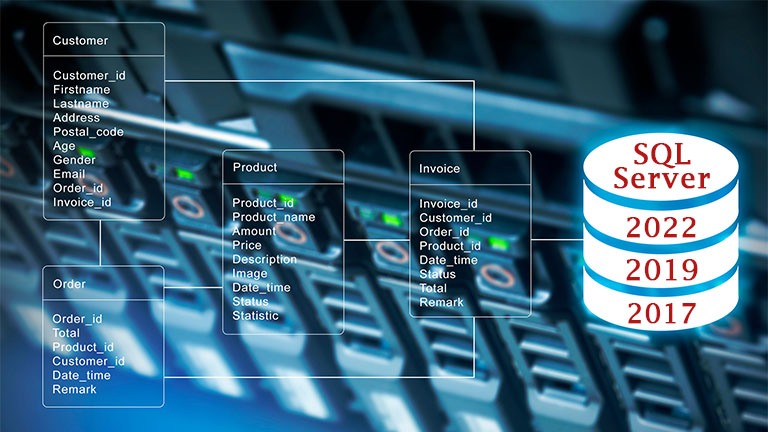
Microsoft’s SQL Server editions of 2022, 2019, and 2017 are among the most advanced database management systems designed for enterprises. Each version introduces a range of new features and optimizations, making them worth examining in detail. In this blog post, I will highlight the key features of each version and explain what sets them apart.
SQL Server 2017: Cross-Platform and Advanced Analytics Capabilities
SQL Server 2017 introduced groundbreaking changes, particularly in terms of platform compatibility and analytics features:
- Cross-Platform Support: SQL Server 2017 was the first version to run natively on Linux, significantly enhancing flexibility in operating system choice.
- Graph Database Capabilities: This version introduced support for graph databases, allowing for the modeling and analysis of complex relationships between data.
- R and Python Integration: The ability to execute data science and machine learning models directly within the database using R and Python revolutionized analytics capabilities.
- Adaptive Query Processing: SQL Server 2017 improved query processing with dynamic adjustments during execution, enhancing the performance of long-running queries.
SQL Server 2019: Big Data and Enhanced Performance
Building on the advancements of SQL Server 2017, SQL Server 2019 expanded its data integration and analytics features:
- Big Data Clusters: This feature enabled enterprises to analyze massive datasets by combining SQL Server with Apache Spark and HDFS (Hadoop Distributed File System), opening up a wide array of big data scenarios.
- Data Virtualization: SQL Server 2019 allows for the integration of data from various sources (such as Oracle, Teradata, or MongoDB) without physically moving the data into SQL Server.
- Intelligent Query Processing: This version introduced several optimizations aimed at improving query efficiency and performance, including Batch Mode on Rowstore and enhanced memory modules.
- Container Support: SQL Server 2019 further embraced cloud and hybrid environments with full container support (Docker and Kubernetes), simplifying the deployment and scaling of applications.
SQL Server 2022: Cloud Integration and Enhanced Security
SQL Server 2022, the latest version, continues the trend of incorporating modern cloud technologies and enhanced security features:
- Deep Azure Integration: One of the standout features is seamless integration with Azure services, such as automated database management and transparent data-tiering into Azure Synapse.
- SQL Ledger: With the introduction of SQL Ledger, SQL Server 2022 offers a blockchain-based solution for immutable records, especially useful for auditing and compliance purposes.
- Improved Security Features: SQL Server 2022 includes new encryption techniques that further enhance data protection both at rest and during transmission.
- T-SQL Enhancements: There are multiple improvements to T-SQL, including expanded JSON functionalities and support for advanced data types.
- Increased Hybrid Capabilities: SQL Server 2022 focuses heavily on hybrid scenarios, enabling seamless connections between on-premises installations and cloud environments. Features like Azure Arc allow centralized management of SQL Servers across different environments.
Conclusion: Which Version is Right for Your Business?
Choosing the right SQL Server version depends largely on your business needs. SQL Server 2017 is ideal if you're looking for a stable, cross-platform solution, while SQL Server 2019 is better suited for big data scenarios and complex data integration tasks. SQL Server 2022, with its cutting-edge cloud integration and security features, is the best choice if you're aiming for future-proof, hybrid solutions.
Disclaimer
This article is for general information purposes only and does not constitute a sales or licensing recommendation. All information has been compiled to the best of our knowledge, but is provided without guarantee of completeness or accuracy. License conditions are subject to change and may be interpreted differently in individual cases. The content does not replace individual legal or licensing advice.
September 24, 2024
Popular Posts


September 29, 2021
Welfare stamps - small contribution with great effect



Back to Top